
Reformation’s Journey of Revitalization
When Rev. Matt Lucas arrived at Reformation Presbyterian Church in Hendersonville, NC, in 2009, the congregation was at a crossroads. The church had split from the PCUSA in 1998 with about 125 people but had experienced declining attendance and several years without a pastor. By the time Lucas was called, the congregation had dwindled to around 45 people. One elder captured the congregation’s posture at the time, “We tried to do church a certain way, and the Lord humbled us into the dust. We were ready to do something different.” Another elder, Michael Rhodes, remembers the congregation’s approach, “Closing the church wasn’t on the table.” We wanted to be faithful to the Lord and were searching for a faithful pastor.
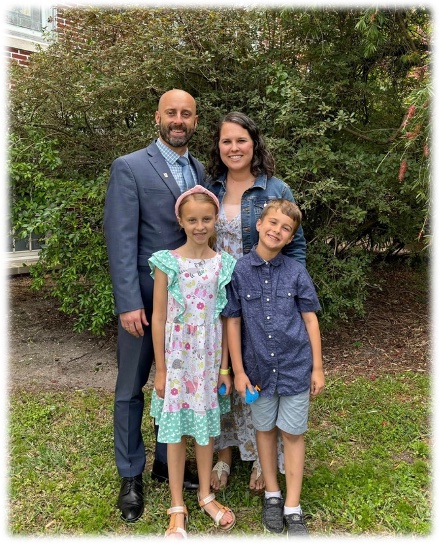
Lucas and his family arrived and spent the first year intentionally changing very little. “I wanted to get to know people, love them, and pastor them well,” he said. The church began making small, intentional changes. Changes that were made were accompanied by biblical teaching. For example, when the session changed the order of worship, Rev. Lucas taught on biblical worship for an adult Sunday school class. One congregant acknowledged, “the old hymns were still important to me, but I realized the new songs are important to others.”
“It took five or six years to really get past some of the difficulties of the church’s past,” Lucas said. Growth was slow, but a foundation of trust was being built.
Rhodes points to Lucas’s humility as an important part of that process. “Some pastors come in and just want to change everything,” he said. Instead, Lucas emphasized applying the Word to everyday life and helping the congregation move forward together.
A united session was critical. “We really needed a united session with the same goals,” Lucas said. The elders talked repeatedly about their vision, so when changes came, the session was “gently resolute.” That consistency built trust with the congregation.
Reformation also began looking outward. Lucas said, “Part of our plan was to rebrand Reformation within the community. We wanted people to see that Reformation was there to serve, help, and love our neighbors.” The church developed a community mission week, serving local agencies and individuals. They cultivated relationships with missionaries, hosted them for fellowship, and encouraged members to participate in mission trips. “We went from survival mode to an outward focus,” Lucas said.
The church’s outward focus eventually led to church planting. Rhodes explains, “Reformation had the vision of planting another church from the beginning. We always said if we got close to 300 members we’d plant.” After paying off its mortgage and growing enough to hire an associate pastor, Reformation began preparing to plant. In April 2025, the church sent about 40 people to launch a new congregation in Fletcher, NC. Today, Reformation has more members than before the church plant and is experiencing a younger demographic.
For Rhodes, the greatest blessing of the past 17 years has been “the fellowship and camaraderie of the session and Matt.” He believes revitalization ultimately comes down to relationships, “You’ve got to love one another and your community.”
Lucas agrees. Reformation’s story is not primarily about programs or quick growth. It is about faithful pastoral care, a united leadership, loving the community, preaching the gospel, and trusting God to provide. As Lucas puts it, “We aren’t there yet. God has more for us.”