Cultivate Cultural Differentials for Church Growth and Health
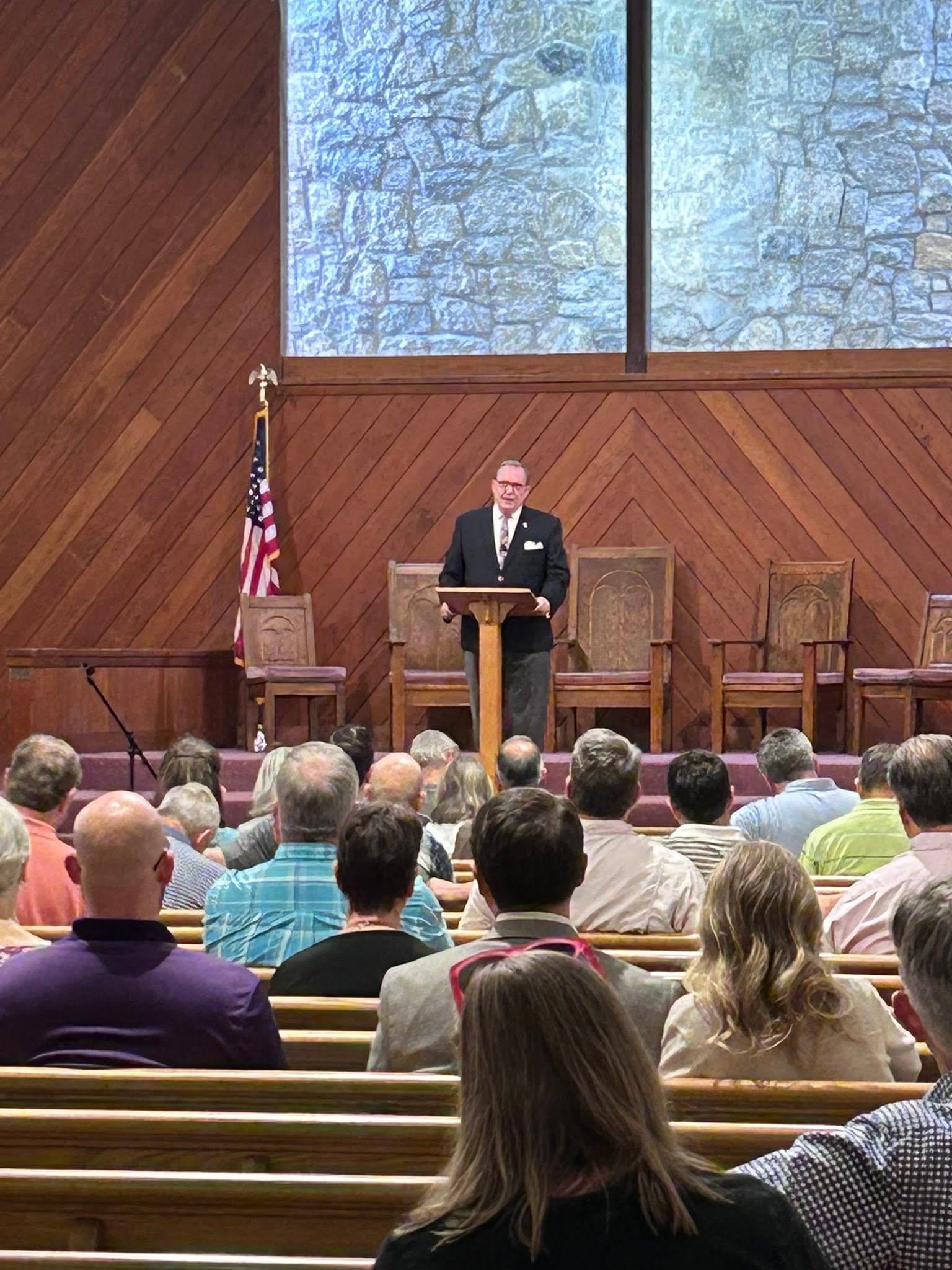
Dr. Ligon Duncan, Chancellor and CEO of Reformed Theological Seminary, challenged pastors and church leaders to pursue healthy churches and effective church planting through biblical faithfulness.
Rather than relying on marketing strategies or entertainment, Duncan argued that churches should distinguish themselves by their biblical convictions. As younger generations increasingly seek churches with theological depth, historic roots, and meaningful worship, he believes the ARP is well positioned to flourish by confidently embracing its Reformed identity.
Duncan outlined ten biblical principles that characterize healthy churches.
First, churches must be committed to expositional preaching, faithfully explaining and applying Scripture rather than using the Bible to support personal opinions. Through the regular preaching of God’s Word, believers are transformed and their minds renewed.
Second, churches should cultivate biblical worship that is guided by Scripture. Because congregations often remember what they sing as much as what they hear preached, biblically rich hymns and songs play a vital role in discipleship. Duncan also encouraged churches to value both morning and evening Lord’s Day worship.
Third, healthy churches demonstrate a devotion to sound doctrine. Biblical truth is not merely intellectual knowledge but the foundation for holy living, spiritual maturity, and lasting joy.
Fourth, churches should encourage warm Christian piety, combining theological conviction with a deep experiential knowledge of Christ’s love. True spirituality unites sound doctrine with heartfelt devotion.
Fifth, Duncan emphasized the importance of family religion, urging churches to strengthen marriages, encourage family worship, and equip parents to disciple their children through Scripture, prayer, and catechism.
The second session focused on five additional characteristics of healthy churches.
Sixth, churches need a biblical understanding of the gospel and evangelism. Duncan stressed that how believers understand the gospel shapes how they share it. Healthy churches regularly celebrate God’s saving work through testimonies, baptisms, and stories of conversion, encouraging every member to participate in gospel witness.
Seventh, churches must embrace a biblical understanding of conversion and discipleship. Conversion is not simply a decision but the beginning of lifelong growth within the local church. Duncan highlighted the importance of intentional discipleship through Sunday School, youth ministry, and adult education that complements discipleship in the home.
Eighth, believers should pursue growth in grace, recognizing both God’s sovereignty and human responsibility in sanctification (Philippians 2:12–13). Duncan encouraged pastors to move beyond superficial “how-to” sermons and instead apply Scripture to the heart, addressing the motives and affections that shape Christian living.
Ninth, healthy churches maintain a commitment to missions and church extension. Duncan argued that Presbyterian church government is not a hindrance to church planting but an engine for it, enabling congregations to cooperate in fulfilling Christ’s Great Commission. Churches should regularly pray for other congregations, celebrate gospel advance, and support new church plants.
Tenth, churches need a biblical understanding of church membership and mutual accountability. Membership is demonstrated through faithful worship attendance, generous giving, prayer, service, and loving accountability. Duncan encouraged pastors to recover a high view of gathered worship in a culture increasingly shaped by individualism and convenience, reminding believers that their presence strengthens and encourages the entire body of Christ.
During an extended question-and-answer session, Duncan expanded on several practical applications. He encouraged churches to regularly share testimonies of conversion, intentionally teach church history and Reformed theology, seize providential opportunities for personal evangelism, and preach sermons that combine theological depth with meaningful application. Throughout the discussion, he emphasized that healthy churches are built patiently through faithful preaching, intentional discipleship, loving shepherding, and confidence that the Holy Spirit produces lasting spiritual growth.
The conference concluded with a prayer asking God to use these ten biblical principles to strengthen existing congregations and establish healthy new churches throughout the Associate Reformed Presbyterian Church.